
Eastern Cuba, known as el Oriente by locals, with its out-of-the-way location, has always been shrouded in myth. When we were planning our trip around the East, we were made to believe that it was too hard to get to, too tricky to get around, and that, apart from a few places, the area didn’t have that much to offer. Well, these statements couldn’t have been more wrong. Yes, eastern Cuba is a little more far-flung but it oozes with history, culture, nature, great food, and even better people that can’t be matched anywhere else in Cuba.
Here are our top six reasons why it’s well worth making the trip down to El Oriente:
1. Off the Beaten Track Cuba Travel.
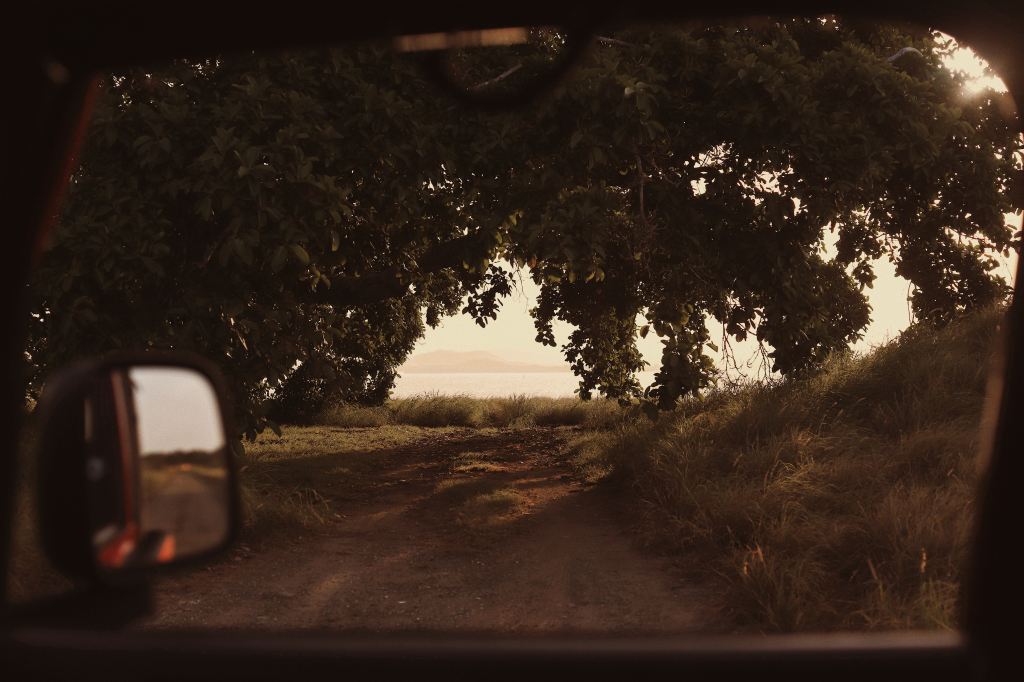
When travelers come to Cuba they normally don’t get much further than the standard tourist trail of the capital of Havana, the valley of Viñales, the colonial cobbled streets of Trinidad, and the blindingly beautiful beaches of Varadero. While these places should by no means be sniffed at, Cuba is the biggest island in the Caribbean yet huge chunks of the country still remain underdeveloped and underexplored.
Travelers increasingly want one-of-a-kind travel experiences and the east of the island can offer just that. During our eastern Cuba adventure, we took road trips along secret highways, taking in breathtaking coastal views without a single other vehicle in sight. We went trekking down rugged rainforest routes that had barely been traversed by foreigners. We also spent time in secluded communities with unique customs and stories unlike anywhere else in Cuba. Such special off-the-beaten-track experiences are hard to find in the world of today where almost every corner has been touched by tourism.
2. Cuba’s Hotbed of History.
Cuba’s history is fascinating, characterized by so many remarkable and unexpected twists and turns. Even if you aren’t the biggest history buff, it is hard not to become captivated by the story of Cuba. Many learn about Cuba’s history in Havana but are unaware that Cuba’s most iconic historical events took place in the East.
In 1492, Cristopher Colombus first stepped onto Cuban soil in the East, calling it “the most beautiful land that human eyes have ever seen.” Four hundred years later, Cuba’s independence from Spain was set off in a sugar mill close to the eastern town of Manzanillo. Owner Carlos Manuel de Céspedes rang a bell announcing to his slaves that they were now free and that they should join him in the long fight for Cuban liberation.
While Spain’s rule ended in the bay of Santiago de Cuba in 1898, the East’s largest city also birthed a new battle: Fidel Castro’s Cuban Revolution. Triggered after a failed coup in Santiago, Castro and his revolutionaries were arrested and imprisoned in Mexico. However, they secretly returned to the East’s shores in 1956 and spent years hiding out in the remote Sierra Maestra mountains plotting their revolution.
These extraordinary tales of the past still ripple through the eastern region: you can feel it in the people you meet, the places you visit, the food you eat, and the music you listen to.
3. The Heart of Cuba’s Musical Roots.
Although rumba came from Matanzas and Cuban hip-hop came from Havana in the West, the East has spawned many of Cuba’s great musical forms. Son cubano, the foundation of Cuban music, was created in the eastern cities of Santiago and Guantánamo in the late 19th century. The sound then traveled through the island and made its way with Cuban migrants to New York, evolving into Latin America’s most famous cultural export: salsa. Santiago was also the birthplace of other genres such as trova and even Cuban reggaeton. Youngsters from the city’s barrios put their own Cuban spin on the genre after tapping into radio signals from Jamaica and Puerto Rico where reggaeton was booming in the 1990s.
There are also little-known but highly fascinating musical phenomena to be discovered, such as the tumba francesa (Santiago), nengón and kiribá (Baracoa), changuí (Guantánamo), and the curious órgano oriental (Granma), all with intriguing blends of African, European, indigenous, and Caribbean influences.
4. The Warmest People on the Island.
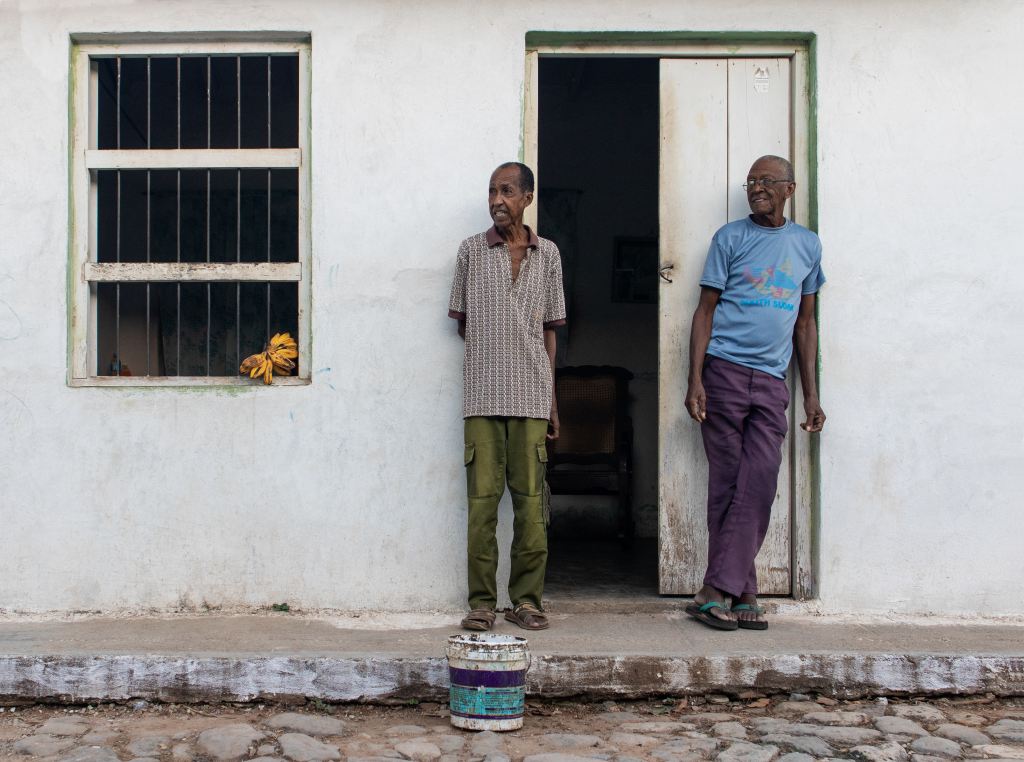
The people are amazing all across the island but it is said that the deeper into the remote countryside you go, the friendlier and more hospitable the locals get. This was our experience as we traveled around the East. We particularly remember visiting a rural village in Maisí, at the most eastern and remote point of the island, and were overcome by the community’s positive energy and generosity. It’s a universal truth: the people with the least give the most.
Cubans from the East may all speak with the same sing-song accent that distinguishes them from the rest of the country but El Oriente is a large and diverse area where each province has its distinct culture and identity. The campesinos (farmers) from Granma’s Sierra Maestra mountains are known for their noble and stoic demeanor, santiagueros from Santiago de Cuba have a fiery and dynamic attitude, and the townsfolk from Baracoa are often regarded as sweet-natured and joyful. Wherever you are in eastern Cuba, you will be sure to be taken aback by the locals’ hospitality and natural charm.
5. Soul-Stirring Cuban Food.
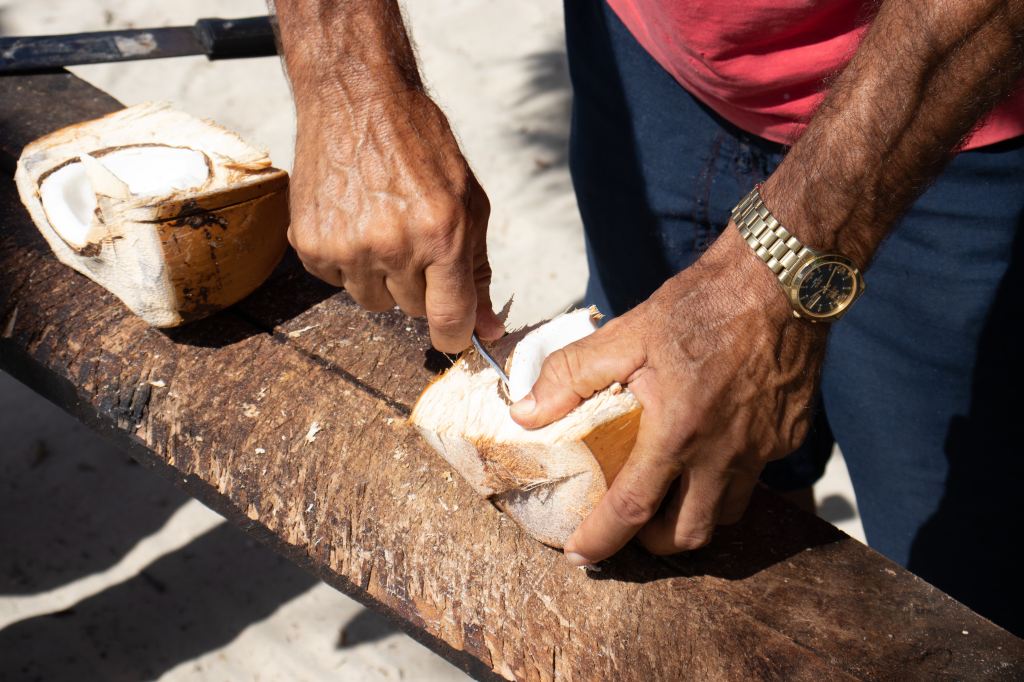
Visitors to Cuba often worry about what the food may be like, especially if they plan to venture far from Havana. Cuba has long been tarnished with the idea that it doesn’t do good food but this is far from the truth. Yes, Cuban food can sometimes be on the dodgy side (remember that Cuba struggles with a lack of resources and is still behind in international culinary know-how) but Cuban food can be undeniably delicious if you know where to look for it.
The East is peppered with family-owned fincas that can whip up mouthwatering, heartwarming, and stomach-filling farm-to-table cuisine. Its coastlines boast some of the freshest seafood on the island and you may be surprised to learn that the East has some impressive restaurants too. To top it all off, you can eat for a lot cheaper than in Havana and its surrounding touristy areas which have been getting pretty pricey over the past few years.
6. Unspoiled and Unforgettable Nature.
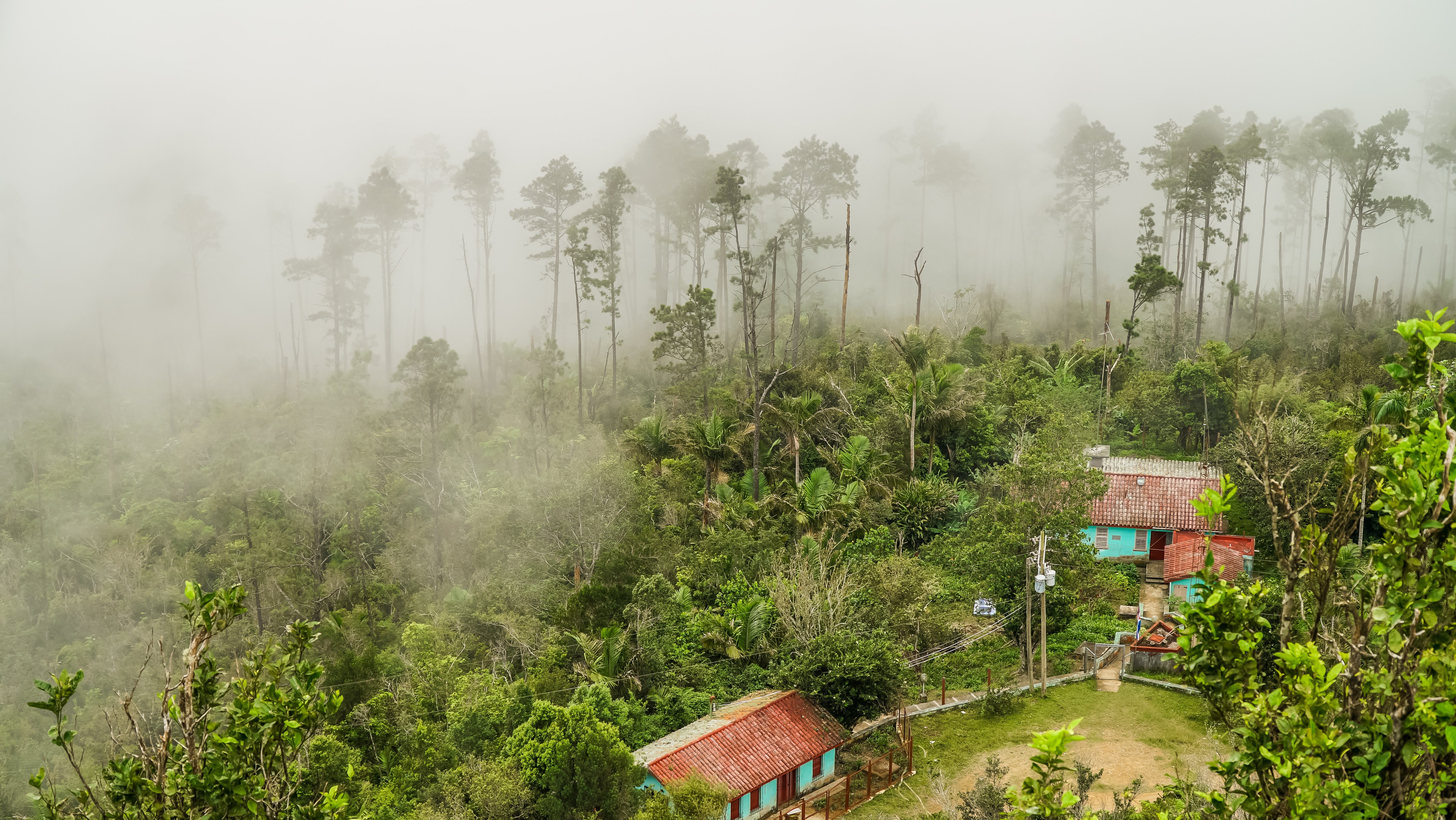
El Oriente is every nature lover’s paradise: hike through lush green mountains, bathe on virginal beaches, paddle in mighty rivers, and trek around sub-tropical rainforests. One of adventurers’ favorite places to visit in the East is Baracoa. Due to its isolation over the centuries, it’s renowned for its national parks and protected areas which boast an unbelievably high level of species endemism, with countless flora and fauna you won’t find anywhere else on the island. This includes the smallest frog and the most beautiful snail species in the world. Also in the East, you could come across one of the world’s best-preserved coral reefs barely visited by tourists – if you can find it!
El Oriente may be more unfamiliar and far away but that’s exactly why it’s worth the visit! Whether you are a history buff, a culture vulture, a nature rambler, a fanatical foodie, or all of these combined, Cuba Unexplored can organize a once-in-a-lifetime trip to eastern Cuba.
So, dive into the unknown and unexplored Cuba with us!
 Cuba Unexplored